Pinky Pradeep Khatri, Au.D.
World Alzheimer’s Month: What Your Hearing Can Tell You About Brain Health

It’s a familiar experience for many people. You’re enjoying dinner at a busy restaurant, or simply having a conversation at home, and you notice yourself asking people to repeat themselves. You can hear that someone is talking, but following the conversation takes more effort than it used to.
It’s easy to chalk these moments up to background noise or simply getting older, but persistent difficulty following conversations may be worth paying attention to. This September, during World Alzheimer’s Month, we’re focusing on a critical connection that is often overlooked: the link between your hearing health and your cognitive well-being.
Recently, the World Health Organization (WHO) updated its guidelines for dementia risk reduction, and the message is clearer than ever: Proactively managing your hearing health is one step you can take to protect your long-term cognitive function.
This isn't about a miracle fix for Alzheimer's disease or other forms of dementia, but about understanding how your brain works and giving it the support it needs to stay engaged and resilient for years to come.
Why Your Brain Cares About Your Hearing
Your ears are the collectors of sound, but your brain is the interpreter. When hearing loss challenges are present, even mild ones, sounds arrive muffled or distorted, which causes your brain to work overtime to fill in the gaps and decode the jumbled information.
Think of it like trying to have a conversation next to the roar of traffic: You might catch most of it, but it requires intense focus. Your brain has a finite amount of cognitive energy, which means that when a significant portion of that energy is constantly diverted just to process sound, other essential functions, like memory and focus, can suffer.
This constant strain can also lead to social withdrawal. When you can’t confidently follow conversations, you might start avoiding them. Dinners with friends, family gatherings, and community events can become sources of anxiety rather than joy, causing you to opt out. Social isolation is itself a well-established risk factor for cognitive decline, so this withdrawal can exacerbate any existing struggles.
What the Latest WHO Guidelines Mean for You
For years, health experts have understood that hearing loss challenges and cognitive health are closely connected. The WHO first addressed hearing difficulties within its dementia risk-reduction guidance in 2019, recognizing the importance of identifying and managing hearing challenges for older adults.
In its 2026 update to the guidelines, the WHO expanded its recommendations to include hearing aids, where clinically appropriate, as an intervention that may be part of an overall strategy to reduce the risk of cognitive decline and dementia.
This means that taking care of your hearing is an important part of healthy aging. By understanding and addressing any hearing difficulties you may be experiencing, you are taking a proactive step toward maintaining communication, engagement, and cognitive well-being.
Taking the Next Step with Family Hearing Services
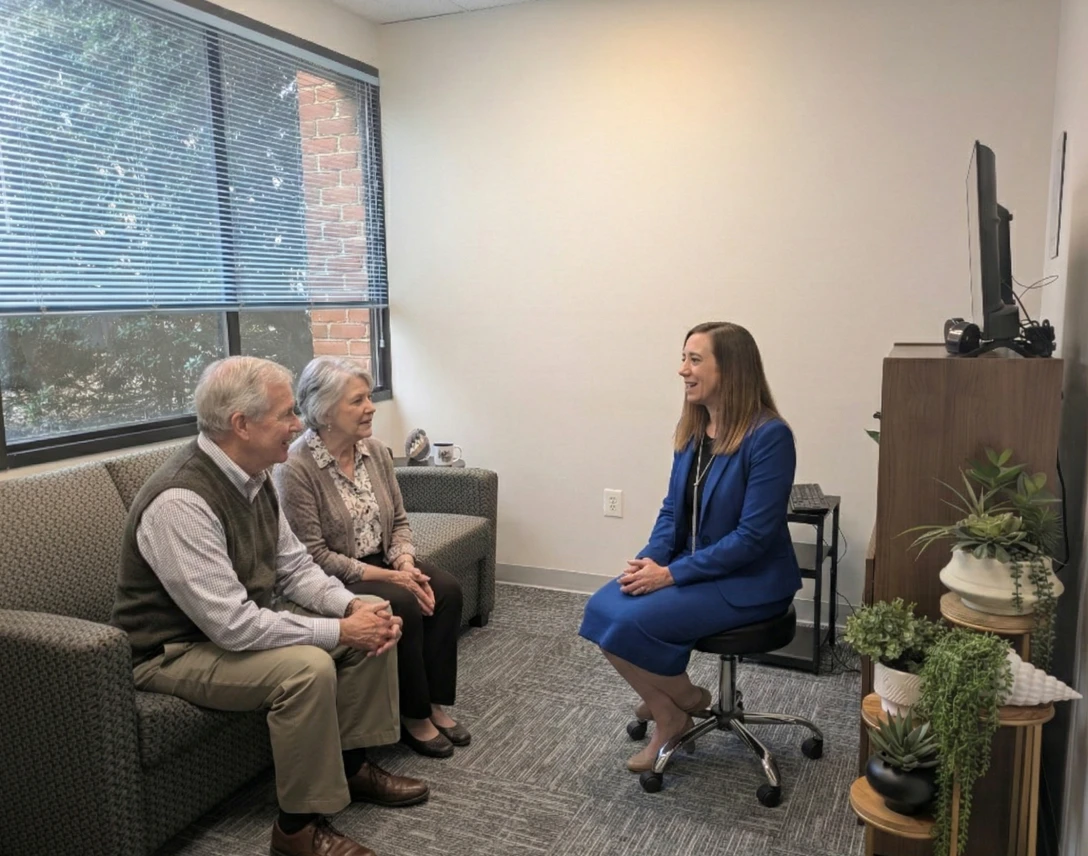
A comprehensive hearing assessment gives you a clearer picture of how well you hear and understand speech, especially in challenging listening environments. With a better understanding of your unique hearing needs, you can explore the options available to you and create a personalized hearing plan designed around your lifestyle and goals.
Contact the team at Family Hearing Services today to schedule an appointment or request a callback.
Frequently Asked Questions (FAQs)
Q: Can treating hearing loss challenges reverse dementia?
A: Currently, there is no cure for Alzheimer’s disease or other forms of dementia. However, the WHO guidelines emphasize that managing hearing difficulties can be a critical part of a risk-reduction strategy.
By treating hearing challenges, you reduce the cognitive load on your brain and help mitigate factors like social isolation, which can in turn help slow the progression of cognitive decline. It’s about giving your brain the best possible environment to thrive.
Q: How do I know if my hearing is impacting my cognition?
A: It can be subtle. Ask yourself if you've experienced any of these situations: feeling exhausted after social gatherings, having difficulty following conversations in noisy places, frequently asking people to repeat themselves, or finding it hard to understand high-pitched voices, like those of children.
These are signs that your brain may be working overtime to hear. However, a thorough hearing evaluation with a qualified audiologist is the best way to provide clear insights into any difficulties you might be experiencing.
Q: What happens during a comprehensive hearing assessment?
A: Our hearing assessments are completely painless and noninvasive. You’ll sit in a sound-treated room and listen to a series of tones and words at different frequencies and volumes. We will also test your ability to understand speech in quiet and noisy environments.
The test results give us a detailed map of your hearing abilities and provide the foundation for a personalized treatment plan designed to restore your social connection and confidence.
Sources:

Pinky Pradeep Khatri, Au.D.
Expert Hearing Care in the DC Metro Area, with Locations in Chantilly and Leesburg.
Whether you have a question, need a second opinion, or want no-obligation advice from our trusted independent hearing doctors, simply complete this form, and we’ll get back to you shortly.