Pinky Pradeep Khatri, Au.D.
How a Cochlear Implant Restored Hearing and Connection: Kristin’s Story
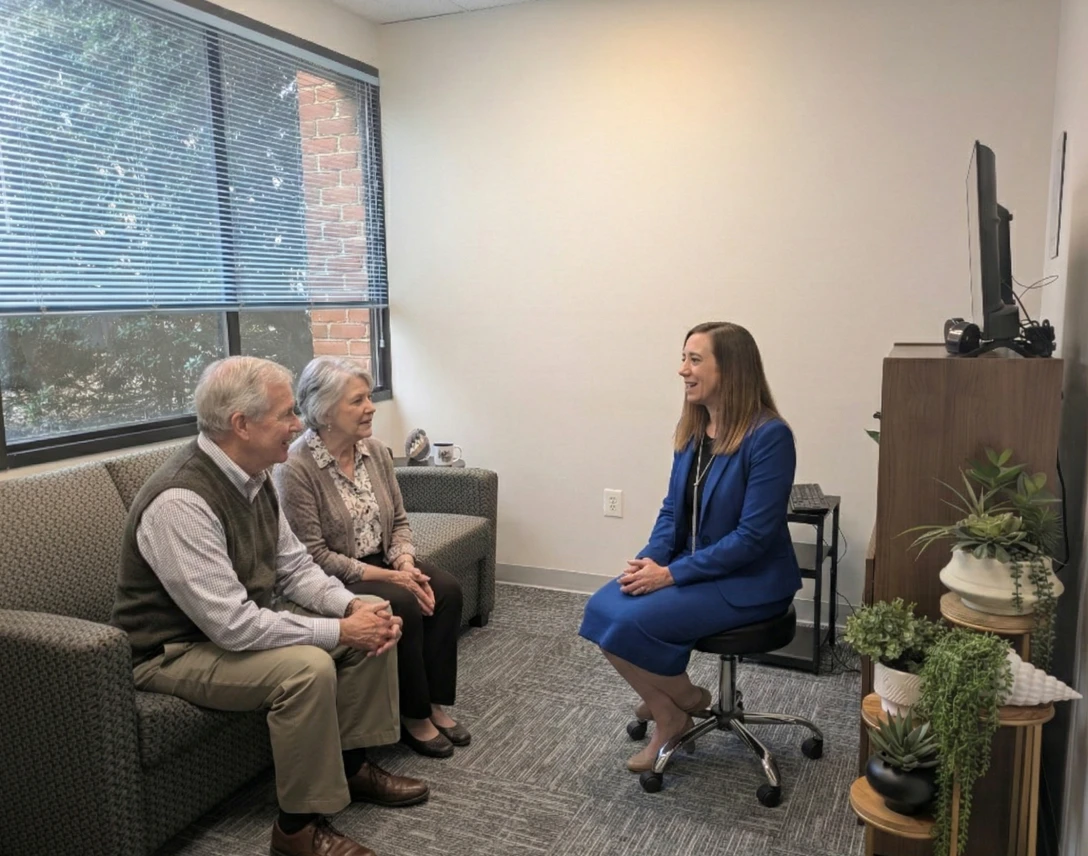
In 2017, Kristin noticed her hearing was declining more rapidly than she expected, along with frequent episodes of vertigo that disrupted her daily life. Even with high-powered ReSound hearing aids, she had reached their maximum level and found herself struggling to follow conversations in noisy rooms.
She recalls feeling frustrated, isolated, and sometimes anxious, recognizing that her hearing aids could no longer keep up with her needs. We see this moment often in long-term hearing aid users – the realization that amplification alone cannot provide the clarity or confidence needed for daily life.
Kristin describes how profoundly the change affected her mood and relationships, sharing that getting help “transformed my happiness, bringing me closer to my family and friends.”
Her story reminds us that reaching a point where hearing aids aren’t enough doesn’t have to feel hopeless; with the right guidance, the next steps can restore both hearing and emotional well-being.
Taking the Step Toward a Cochlear Implant
When Washington Ear Associates recommended a cochlear implant, Kristin felt both apprehensive and hopeful. Having relied on hearing aids since age two, the idea of transitioning to a new technology at 52 was a significant step.
She describes the mix of emotions she felt: excitement at the prospect of hearing more clearly and nerves about navigating something unfamiliar. With clear explanations from the audiologists and detailed guidance on what to expect, she began to feel reassured.
Cochlear implants work differently than hearing aids by bypassing damaged parts of the inner ear and sending sound directly to the auditory nerve, which allows the brain to interpret sound more naturally. Kristin noticed improvements quickly and reflects that the transition “was a welcomed change,” allowing her to engage in conversations with more confidence and reconnect with her surroundings.
Many long-term hearing aid users eventually reach a point where a cochlear implant offers clarity, independence, and a renewed sense of life that hearing aids alone cannot provide.
How Cochlear Implants Work
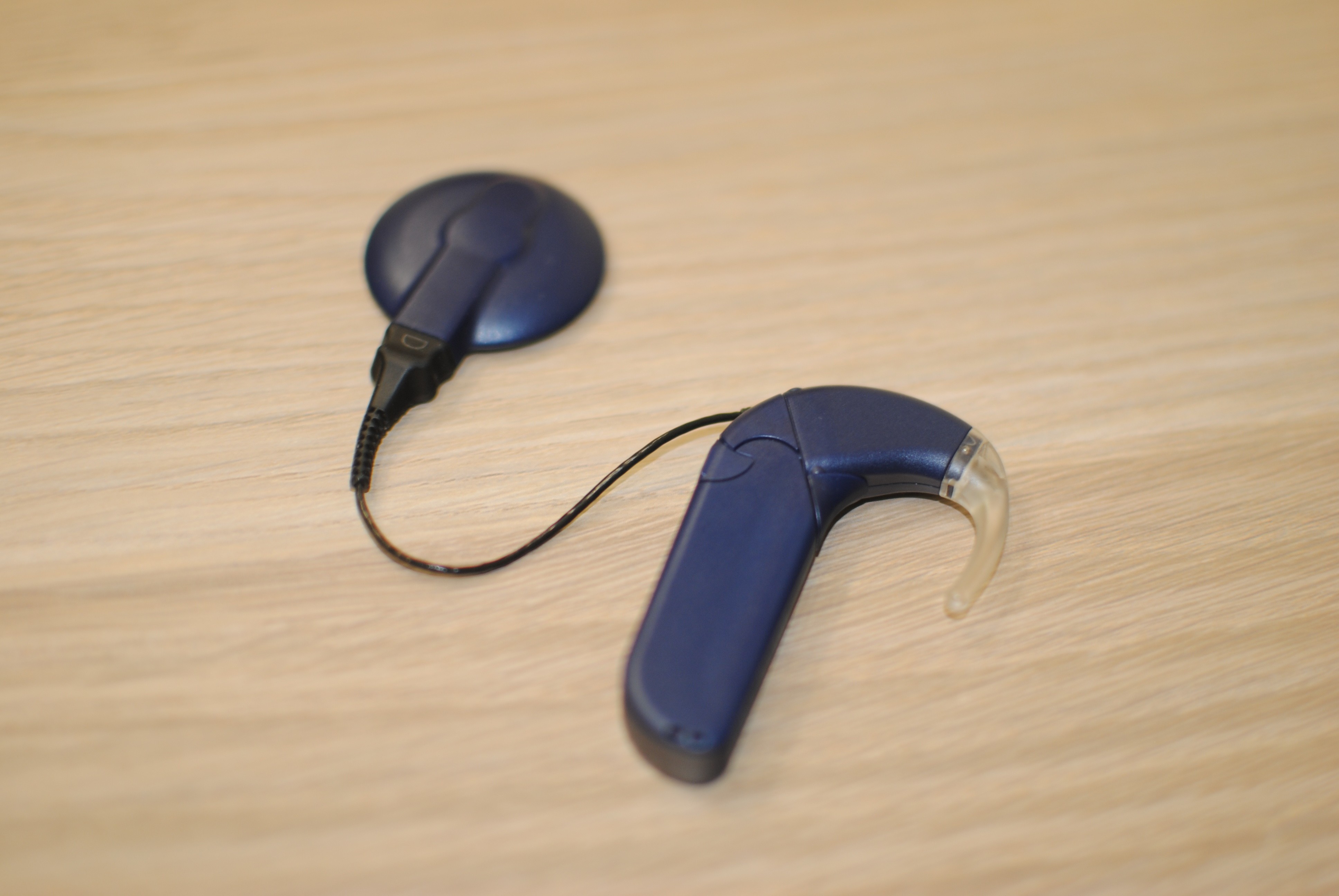
Cochlear implants are sophisticated devices with two main components: an external sound processor and an internal implant. The processor captures sound, converts it into a digital signal, and sends it to the implant, which stimulates the auditory nerve directly.
The brain interprets these signals as sound, allowing for improved speech recognition, enhanced clarity in noisy environments, and better access to environmental sounds.
Kristin recalls the first time she noticed the difference, remarking that she could hear subtle sounds that had faded from her daily life and enjoy conversations without straining to follow along. The technology also alleviates mental fatigue that often comes with long-term hearing loss, making it easier to engage socially, participate in activities, and feel fully present in every interaction.
Experiencing these improvements helped Kristin regain confidence and joy in her daily routine, demonstrating how cochlear implants can change not only what patients hear but also how they feel.
From Hearing Aids to a Cochlear Implant
Transitioning from hearing aids she had relied on for decades to a cochlear implant was a major life change, yet Kristin approached it with optimism and courage. She reflects on how her family immediately noticed the improvement in her ability to follow conversations and participate more actively in gatherings.
The clarity provided by the implant allowed her to enjoy social moments she had previously avoided due to difficulty hearing. Kristin shares that the implant “transformed my happiness and allowed my family and friends to notice that I could hear much more than with the hearing aids.”
Her experience highlights the emotional impact of restored hearing: renewed confidence, a sense of independence, and the joy of connecting meaningfully with loved ones. For patients considering a similar transition, her story provides reassurance that embracing the process can lead to deeply rewarding outcomes.
Why Family Hearing Services Made the Difference
Kristin sought support from Family Hearing Services when her previous clinic couldn’t accommodate her Kanso 2 upgrade. From the very first appointment, she felt welcomed, noticing the warmth and professionalism of the team.
The cochlear implant journey is not just about the device itself; it involves ongoing care, programming, troubleshooting, and personalized support. Kristin explains that she immediately felt a personal connection, stating that she was “made part of their family.”
This sense of belonging and individualized attention helped her feel confident and reassured during a transition that can feel daunting for many patients. At Family Hearing Services, we focus on providing both technical guidance and emotional support, ensuring each patient feels understood, supported, and encouraged throughout the process.
Support at Every Stage of the Journey
Every stage of the cochlear implant process at Family Hearing Services is designed to be thorough, supportive, and patient-focused. Assessments allow us to understand each person’s hearing goals and lifestyle, while consultations set clear expectations and provide guidance on procedures and outcomes.
Support continues through activation, upgrades, and ongoing programming to help patients get the most from their implant. Kristin recalls the difference this approach made, sharing that the team “truly cared about helping me hear better at every step.”
Patients often find that structured, compassionate support reduces anxiety, fosters confidence, and helps them feel fully equipped to navigate every stage of the journey successfully. This combination of expertise and empathy ensures the best possible results for hearing, communication, and overall well-being.
Life-Changing Results
The benefits Kristin experienced were profound and far-reaching. Not only did her hearing clarity improve dramatically, but her ability to converse in social settings and enjoy everyday sounds returned.
Her emotional well-being also improved, as she could once again connect fully with family, friends, and her surroundings. Reflecting on the impact, she says, “Getting the help to hear better transformed my happiness, bringing me closer to my family and friends.”
Her story shows that advanced technology, when paired with personalized, compassionate care, can deliver transformative outcomes, restoring confidence, independence, and emotional connection in everyday life.
Kristin’s Advice to Others
Kristin hopes her experience will encourage others to explore their options. She emphasizes that if hearing aids no longer suffice, if conversations feel exhausting, or if connection with loved ones is slipping, a cochlear implant may be the solution.
With guidance from a supportive and knowledgeable team, the process can be manageable and profoundly rewarding. Kristin’s message is clear: seeking help is not a sign of weakness but a step toward reclaiming confidence, independence, and connection.
With the right support, patients can navigate this journey successfully and enjoy life-changing results.
Life Changes When You Hear Clearly
Cochlear implants are more than hearing devices; they are pathways to independence, joy, and meaningful relationships. Kristin’s journey demonstrates how combining advanced technology with expert guidance and compassionate care can transform not just hearing but quality of life.
With the right team by your side, anyone navigating hearing loss can experience these life-changing benefits and rediscover the confidence and connection that hearing provides.
Ready to explore your hearing options? Contact us today to see how a cochlear implant could transform your hearing and your life.
FAQs About Cochlear Implants
How does a cochlear implant differ from a hearing aid?
A cochlear implant bypasses damaged parts of the ear and directly stimulates the auditory nerve, while hearing aids amplify sound.
Is the transition to a cochlear implant painful or difficult?
Most patients describe the process as manageable, with support during programming, activation, and follow-up to ensure comfort and understanding.
Can cochlear implants improve hearing in noisy environments?
Yes, cochlear implants often provide clearer speech perception and better environmental awareness, even in challenging listening situations.
Source
https://www.nidcd.nih.gov/health/cochlear-implants
Provides authoritative information on how cochlear implants work and who may benefit from them.

Pinky Pradeep Khatri, Au.D.
Expert Hearing Care in the DC Metro Area, with Locations in Chantilly and Leesburg.
Whether you have a question, need a second opinion, or want no-obligation advice from our trusted independent hearing doctors, simply complete this form, and we’ll get back to you shortly.