Dr. Pinky Pradeep Khatri, Au.D.
Hearing, Listening, and Connection: My Sound Sisters Interview

You can be sitting around a noisy dinner table, surrounded by family and friends, yet still feel completely disconnected. You smile, nod, and try to follow along, but keeping up with the conversation feels exhausting. Instead of enjoying the moment, you find yourself working hard just to understand what's being said.
This feeling of being present but not fully connected is something I hear about from patients every day. It's also the focus of my recent conversation on Sound Sisters: The Hearing Diaries.
In this candid interview, we step beyond the clinical side of audiology and explore my personal journey into the profession, along with the importance of mindful listening, storytelling, and family life.We also discuss how hearing influences our relationships and everyday experiences.
It was a wonderful opportunity to share a more personal perspective on why hearing health is about so much more than simply hearing sounds.
Finding My Calling in Audiology
My journey into audiology began with an unexpected moment of curiosity. While preparing for the rigorous medical entrance exams in India, I came across a small brochure about speech and hearing sciences. Something about it immediately caught my attention, and I knew I had found a path worth exploring.
What drew me to audiology was the opportunity to make a meaningful difference in people's lives through communication. Audiology offers a way to look beyond diagnoses and focus on something deeply personal: helping people connect with one another through hearing and understanding.
I went on to pursue my education in audiology, eventually completing my Doctor of Audiology (AuD) degree in the United States before entering independent private practice. Along the way, I discovered that one of the most rewarding aspects of my work was building genuine, lasting relationships with patients and being part of their hearing journeys.
Why Feeling Heard Matters in Your Care
A few years ago, particularly as we began rethinking aspects of patient care following COVID, our team started exploring mindfulness and how we could bring a greater sense of awareness and understanding into our everyday interactions with patients.
This shift was also very personal for me. Growing up, I experienced auditory processing challenges of my own. I didn't fully understand what I was experiencing until much later in life, but those experiences have given me a deeper appreciation for how difficult and isolating it can feel when you're struggling to follow conversations.
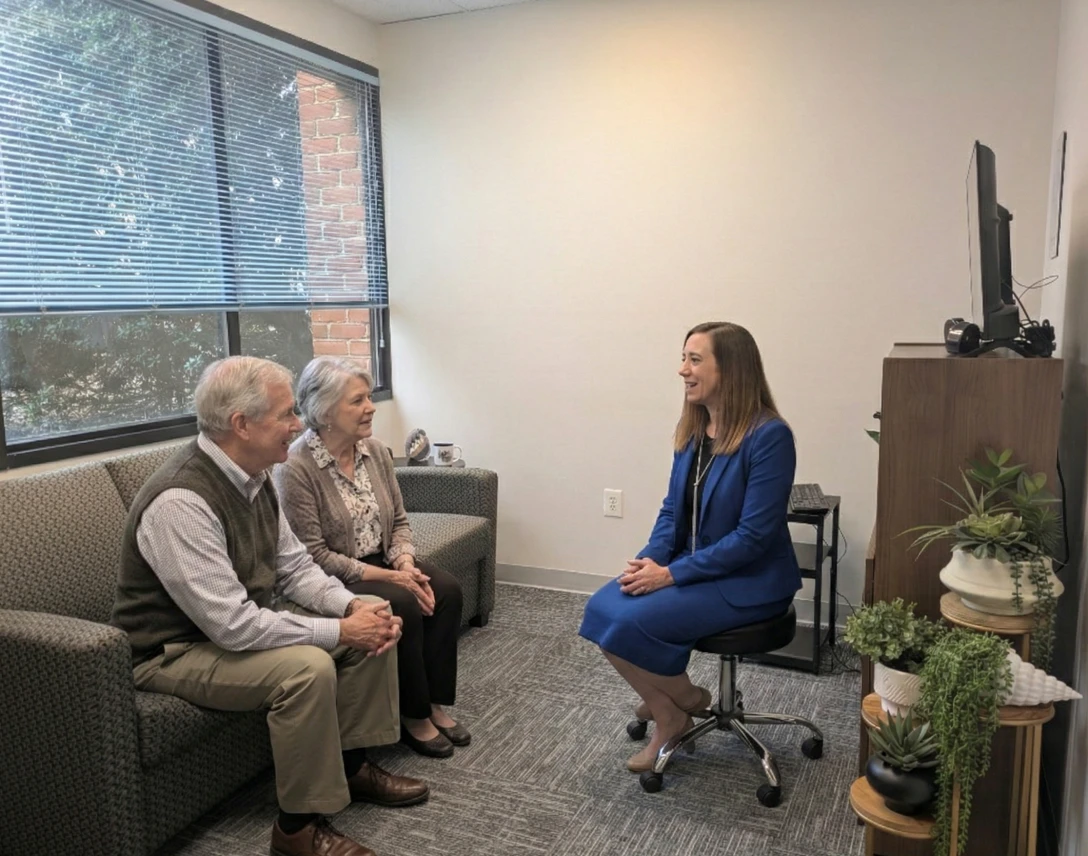
When you come in for a comprehensive hearing evaluation at Family Hearing Services, we want to know more than just your assessment results; we want to understand how your hearing affects your daily life.
Taking the time to listen to your experiences helps us see the bigger picture and provide care that reflects your individual needs, concerns, and goals. Sometimes, the most important part of hearing care begins with simply feeling heard yourself.
Bringing Mindful Listening into Your Hearing Journey
During the interview, we explored our mindful listening framework, a program designed to help patients become more intentional and engaged in their hearing journeys. It encourages patients to set personal goals, adjust comfortably to modern hearing aid technology, and work through short weekly lessons supported by journaling prompts.
An important part of this approach is understanding that hearing and listening involve several different stages:
Hearing Sound: Physically detecting the sounds around you.
Understanding Speech: Processing words and following the meaning of a conversation.
Connecting Emotionally: Recognizing the feelings and tone behind what someone is saying.
Our past experiences can sometimes influence how we approach conversations. For example, if you've repeatedly struggled to understand a spouse or grandchild, you may find yourself anticipating frustration or unintentionally tuning out before they've finished speaking.
Our goal is to help you become more aware of these habits and develop a more positive approach to communication. When appropriate hearing technology is combined with patience and thoughtful listening habits, conversations can become more enjoyable and less exhausting.
An Invitation to Reconnect
I want to extend my heartfelt thanks to the hosts of Sound Sisters: The Hearing Diaries for creating such a thoughtful and welcoming space to explore the importance of compassionate care. It was a pleasure to reflect on the connection between hearing and mindful listening and discuss why helping people feel understood is at the heart of what we do.
If you or someone you love is finding it difficult to follow conversations or stay connected with others, know that your concerns and goals deserve to be heard.
At Family Hearing Services, we'd love to help you explore your options and find a path forward. Reach out to our team to take the next step toward better hearing and more meaningful connections.
Frequently Asked Questions (FAQs)
Q: What should I expect at a comprehensive hearing assessment?
A: We'll start by talking about how your hearing affects your everyday life, which listening situations you find most challenging, and what you'd like to improve.
From there, we'll complete a series of assessments to evaluate your hearing across different frequencies and measure how well you understand speech. By combining your assessment results with a better understanding of your daily needs, we can explain our findings and discuss care options that are tailored to your individual lifestyle and goals.
Q: Can hearing aids alone make conversations feel natural again?
A: Hearing aids can help you access sounds more clearly, but effective communication involves more than simply hearing words. Understanding what's being said and recognizing the emotion and meaning behind a conversation are equally important.
Combining the right hearing technology with mindful listening and positive communication habits can make everyday interactions easier and more enjoyable.
Q: What if I hear sounds but still struggle to follow what people are saying?
A: Hearing sounds and understanding speech are two related but distinct aspects of communication. You may be able to hear someone speaking but still struggle to make out their words, particularly in noisy or busy environments.
Sharing these difficulties with your audiologist, including when and where they occur, can help build a clearer picture of your needs.
Source:

Dr. Pinky Pradeep Khatri, Au.D.
Expert Hearing Care in the DC Metro Area, with Locations in Chantilly and Leesburg.
Whether you have a question, need a second opinion, or want no-obligation advice from our trusted independent hearing doctors, simply complete this form, and we’ll get back to you shortly.